How to choose right laser machine for your industry needs (complete 2026 guide)
In today’s competitive manufacturing environment, selecting the right laser machine is no longer just a technical decision—it’s a strategic investment. Whether you’re involved in automotive, aerospace, construction, or precision engineering, the right laser cutting solution can directly impact your productivity, cost efficiency, and product quality.
For companies like essell, which focus on delivering advanced engineering solutions, choosing the right laser system means aligning technology with real-world industrial demands.
This guide will help you understand how to make the right choice based on your specific industry requirements.
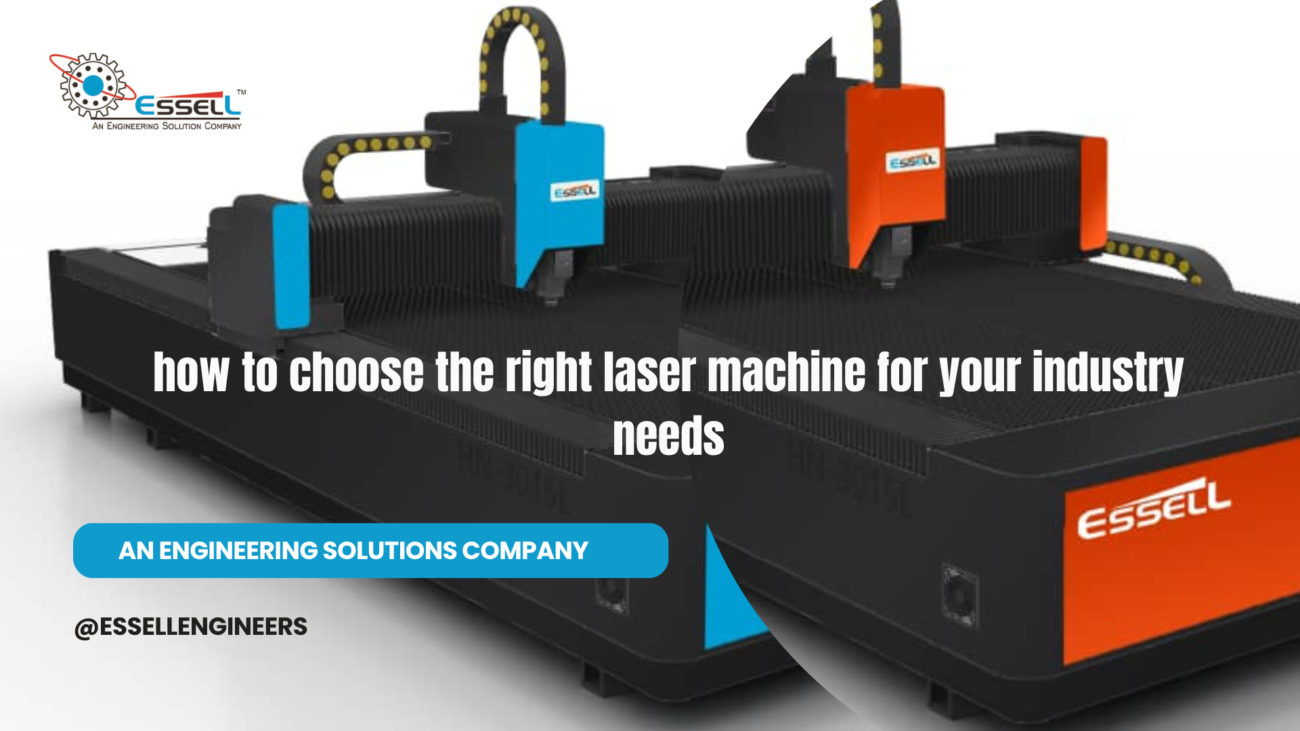
Why choosing the right laser machine matters
A laser machine is not a one-size-fits-all solution. The requirements for precision, cutting performance, and material suitability vary significantly across industries. Selecting the wrong system can lead to:
- higher operational costs
- inconsistent output quality
- unnecessary downtime
- limited production capabilities
On the other hand, the right machine enhances efficiency, reduces waste, and supports long-term scalability.
1. Understand your material requirements
The first step in choosing a laser machine is identifying the type of materials you work with regularly.
ask yourself:
- Are you cutting stainless steel, aluminum, brass, or mild steel?
- What is the average thickness of your materials?
For example, fiber laser machines are highly effective for metals, especially thin to medium thickness ranges, while CO2 systems may be better suited for non-metal applications or specific finishing requirements.
Matching your machine to your material ensures cleaner cuts and improved efficiency.
2. Evaluate cutting speed and production volume
Production demand plays a critical role in machine selection. If your business operates on high-volume orders, speed becomes a key factor.
High-performance laser systems can:
- reduce cycle times
- increase throughput
- improve delivery timelines
For Essell, where engineering precision meets industrial scale, investing in faster machines can significantly boost overall productivity.
3. Consider precision and complexity
Not all projects are straightforward. Some industries require highly detailed designs and intricate cuts.
If your operations involve:
- complex geometries
- tight tolerances
- detailed patterns
Then you need a laser machine capable of delivering high precision without compromising speed.
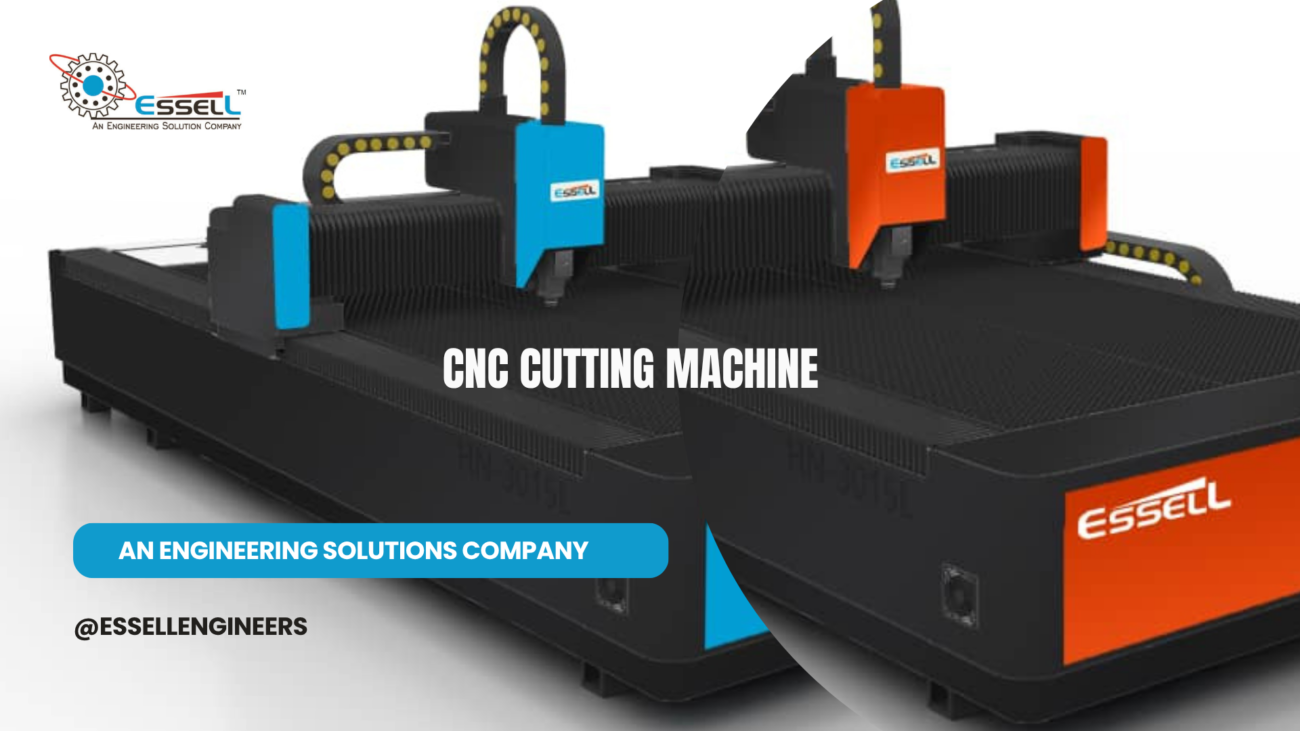
Advanced CNC-integrated laser systems are ideal for maintaining accuracy across repeated production cycles.
4. Choose between different laser technologies
There are multiple types of laser machines available, each with its own strengths:
fiber laser machines
- best for metal cutting
- energy-efficient and low-maintenance
- ideal for high-speed operations
CO2 laser machines
- suitable for non-metals and thicker materials
- smooth edge finishes
crystal laser machines
- used for precision engraving and fine detailing
Understanding these differences helps you select a system that aligns with your operational goals.
5. Analyze operating and maintenance costs
The initial purchase cost is only one part of the investment. Long-term expenses can significantly impact your return on investment.
consider:
- energy consumption
- maintenance frequency
- spare part availability
- machine lifespan
Fiber lasers, for instance, typically have lower maintenance requirements compared to older technologies, making them more cost-effective over time.
6. automation and software integration
Modern laser machines are no longer standalone tools—they are part of a larger smart manufacturing ecosystem.
Look for machines that offer:
- cnc automation
- software integration
- real-time monitoring
- compatibility with CAD/CAM systems
This ensures smoother workflows and better production control, which is essential for engineering companies like essell.
7. workspace and machine size
Before investing in a laser machine, evaluate your available workspace.
important considerations include:
- machine footprint
- ventilation requirements
- power supply
- safety setup
Compact and modular machines are ideal for facilities with limited space, while larger setups may be required for heavy industrial applications.
8. customization and scalability
Your business will grow, and your machinery should grow with it.
Choose a laser system that:
- supports upgrades
- allows customization
- adapts to changing production needs
This ensures that your investment remains relevant even as your operations expand.
9. after-sales support and service
strong service and support ensure operations continue smoothly without prolonged delays,
Before purchasing, evaluate:
- availability of technical support
- service response time
- training provided
- warranty coverage
For Essell, partnering with trusted machine providers ensures uninterrupted operations and long-term reliability.
10. industry-specific requirements
Different industries have unique demands:
- automotive: high-speed production and consistency
- aerospace: extreme precision and quality standards
- construction: heavy-duty cutting capabilities
- electronics: fine detailing and micro-cutting
Understanding your industry’s specific needs helps narrow down the most suitable laser technology.
future trends in laser machine selection
As technology evolves, laser machines are becoming smarter and more efficient. Key trends include:
- AI-driven cutting optimization
- integration with Industry 4.0 systems
- energy-efficient laser solutions
- increased use of automation and robotics
Businesses that embrace emerging technologies ahead of others position themselves for stronger market leadership.
conclusion
Choosing the right laser machine is a critical decision that directly impacts your operational success. by evaluating factors such as material type, production volume, precision requirements, and long-term costs, businesses can make informed choices that deliver real value.
For Essell, aligning advanced laser technologies with industry-specific needs ensures high-quality engineering solutions and sustainable growth in a competitive landscape.
Invest wisely, and your laser machine will become a powerful asset, driving efficiency, innovation, and long-term success.